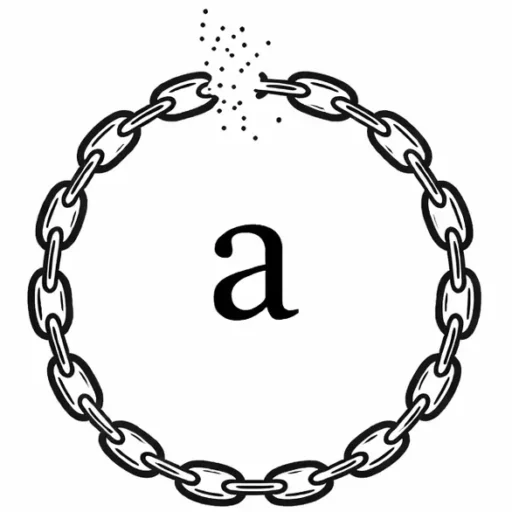

Repetition as a meaningful signal
People often arrive in therapy with a clear wish to understand why something keeps happening and, once understood, to move beyond it. Sometimes, there is a familiar relationship pattern, a recurring sense of dissatisfaction, or an anxiety that returns despite effort, reflection, or previous help. From a psychoanalytic perspective, repetition is not a failure of will or intelligence. It is a way the psyche speaks.
Repetition occurs not because something has not been understood intellectually, but because something has not yet been spoken in a way that can be heard. What repeats is often not the event itself, but the position one finds oneself occupying either in relationships, at work, or in relation to desire, loss, or authority. In this sense, repetition is meaningful. It is not simply an obstacle to change, but a clue.
Resistance is not opposition
Alongside repetition, many people encounter what is commonly called resistance. This word can sound confrontational as though the person in therapy is refusing to cooperate or holding something back. In practice, resistance is rarely deliberate.
Resistance often appears as hesitation, forgetting, changing the subject, or feeling that therapy has stalled. It can show up as impatience — a sense that “nothing is happening” — or as the wish for reassurance, advice, or a clear solution.
Rather than something to be overcome, resistance is often something to be listened to it. It signals that something important is approaching speech, but it is not yet ready to be said directly. The psyche protects what is fragile, conflicted, or uncertain. In psychoanalytic work, resistance is treated with respect. It marks the edge of what can be known at a given moment.
Why insight alone is not enough
Many people are surprised to find that understanding something does not automatically change it. They may say, “I know why this happens, but it still does”. This can be frustrating, and sometimes disheartening.
Psychoanalysis makes a distinction between knowing about something and encountering it in speech. Insight that remains abstract often leaves repetition intact. Change tends to occur when something is spoken in a way that connects thought, affect, and lived experience — often more than once, and often differently each time.
This is why therapy takes time. Time allows patterns to appear rather than be explained away. It allows meaning to emerge not through interpretation alone, but through the rhythm of speaking and listening, remembering and forgetting, approaching and withdrawing.
The role of the therapeutic space in psychoanalysis
The therapeutic setting is not designed to accelerate understanding, but to sustain attention. It offers a consistent space where repetition can be noticed, resistance can be respected, and speech can unfold without pressure to arrive at conclusions.
Over time, what once felt fixed may begin to loosen. This happens not because it has been forced to change, but because it has been understood differently. Sometimes, this shift is subtle, or even it is recognised only in retrospect.
Psychoanalytic work does not promise quick solutions. It offers something quieter that can be understood as the possibility that what repeats may no longer need to do so in the same way. For some, this is where change begins.